Walk into any Sydney hotel on a Friday arvo and the pokies will be humming before you’ve found the bar. For most punters, the difference between club and pub pokies comes down to more than the carpet and the crowd. It is a split in machine density, payout settings, loyalty incentives and the pace of play, and it shapes how much you spend, how long you stay, and what you actually get back when you cash out.
How the Two Venues Set Different Expectations
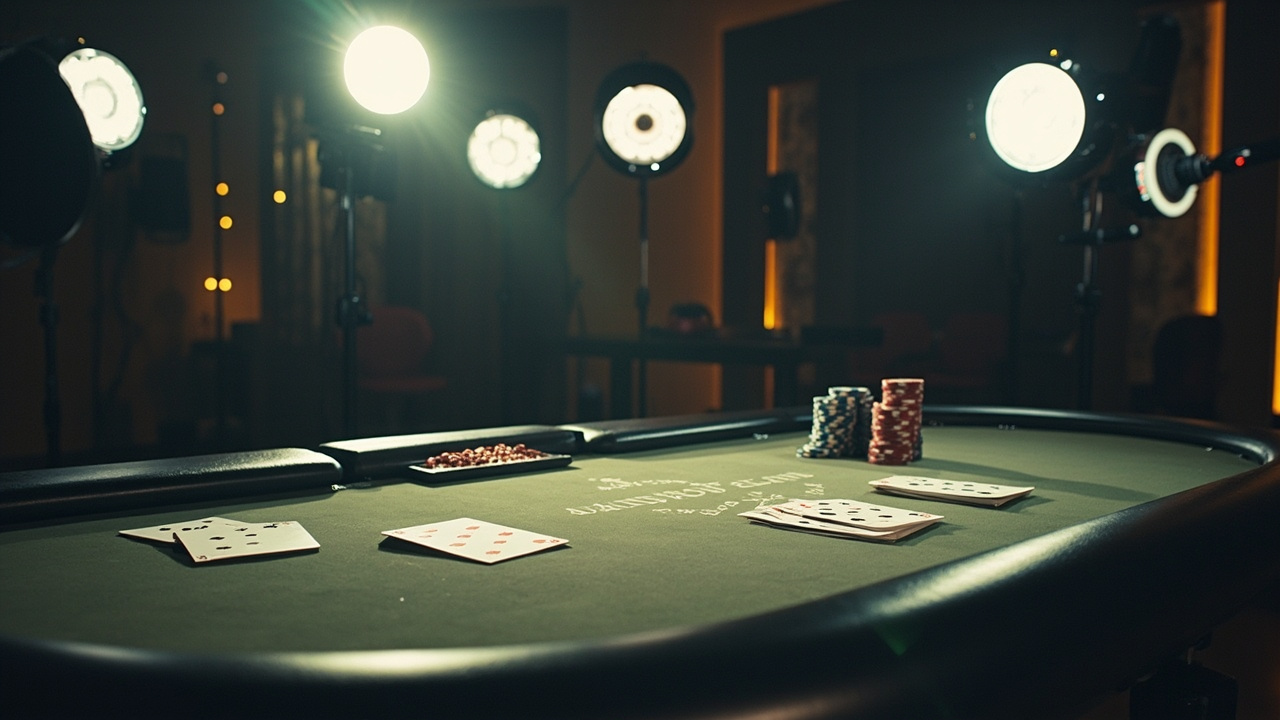
A pub pokies floor is usually tight, loud, and built to move people through. Machines sit close together, the denominations start lower, and the staff are watching the bar as much as the screens. A club, by contrast, tends to spread the machines out, keep the lighting a touch softer, and run a loyalty program that rewards regulars with free play or meals rather than a quick cash drop. The difference between club and pub pokies is not just about the venue name on the wall – it is about how the room is designed to keep you playing, and what the operator expects you to spend per hour.
That distinction matters when you are comparing what you see on the cabinet. Pub machines often run a tighter range of bet levels and a faster spin pace, which suits a short session with a drink in hand. Clubs more commonly offer higher-limit machines, wider bet ranges and a slower ambient pace, which can stretch a session without changing the odds. The settings are set by the operator within the state permit, so the same game title can feel quite different depending on which side of the venue you are standing on.
What You Actually Encounter When You Sit Down
The floor, the machine, and the first ten minutes
You walk in, grab a ticket or tap your card at the kiosk, and pick a machine that matches the denomination you want to work with. On a pub floor, that first pick is often between low-denomination games with quick spin times and a nearby bar that keeps the noise level high. On a club floor, you are more likely to see a row of mid-to-higher denomination machines, a loyalty terminal, and staff who ask if you want a player card before you start. The difference between club and pub pokies shows up in that first ten minutes: pub play is usually faster to start and faster to finish, while club play leans on a card, a points balance, and a slower rhythm that can make a session feel longer.
Payout settings, loyalty, and the pace you feel
The numbers on the screen do not change the underlying game math, but the settings around them do change how you experience a session. Pub operators often keep bet levels modest and the spin speed quick, which suits a casual punters who wants a drink, a spin, and a reset without much fuss. Clubs more often run loyalty schemes that credit points per dollar wagered, and those points can be redeemed for play credits, food, or entry to a tournament night. The pace is slower, the room is quieter, and the incentive is to stay a bit longer rather than cash out at the first good run. For a player, that means the same game can feel like two different sessions depending on whether you are in a hotel or a licensed club.
A realistic chat over a flat white makes the split pretty clear. “I only go to the club when I want a slower night and the points actually stack up,” one regular says. “Pubs are fine for a quick spin, but the pace is busy as and you’re out before you’ve touched your second drink,” the other replies. “No worries either way, just know what you’re walking into.”
How the Split Maps to What Players Need
If you want a short, low-commitment session, a pub floor usually fits better: lower entry denominations, quick spin times, and a layout that keeps you close to the bar. If you prefer a slower pace, a loyalty card that actually earns something, and machines that sit at a higher denomination, a club is the more natural fit. The difference between club and pub pokies is really a choice about session length, spend level, and whether you want a venue that rewards repeat visits or one that is built for a quick flutter. Either way, the practical step is the same: set your limit before you tap in, track your spend against that limit, and use the venue’s self-exclusion or time-limit tools if the session runs longer than you planned.

- Decide your session limit in cash or time before you pick a machine.
- Check the denomination and bet range on the cabinet, not just the screen art.
- Ask staff about the loyalty card and what points actually redeem for, if the venue runs one.
- Start at a bet level that lets you play the session you planned, not the one you hope to win.
- Use the venue’s responsible gambling tools – time reminders, limit settings, or self-exclusion – if the pace stops matching your plan.
The takeaway is straightforward: the venue shapes the session as much as the machine does. Pub floors suit a quicker, lower-limit flutter; clubs suit a slower, loyalty-driven session at higher denominations. Neither setting changes the underlying game, and neither is a safer way to play – they just present different rhythms, incentives, and spend patterns, so the right choice is the one that matches the session you actually want. https://aviator-game-au.com
